Don Carlo, Grange Park Opera, West Horsley Place
Verdi’s Don Carlo is one of opera’s great political dramas, but it is also one of its most intensely personal. Beneath the conflicts between kings, churchmen and statesmen lie broken friendships, impossible love affairs and lives trapped by duty. Grange Park Opera’s revival of Jo Davies’ production understands that balance well, delivering a performance that succeeds not through grand spectacle but through strong characterisation and, above all, some outstanding singing.
The practical realities of staging Don Carlo in a country house theatre inevitably mean compromises. Verdi’s vast orchestral forces are reduced and the huge public scenes cannot match the scale seen in the world’s largest opera houses. Yet Davies turns those limitations into strengths. Rather than trying to overwhelm the audience with spectacle, she focuses attention on the emotional struggles of the principal characters.
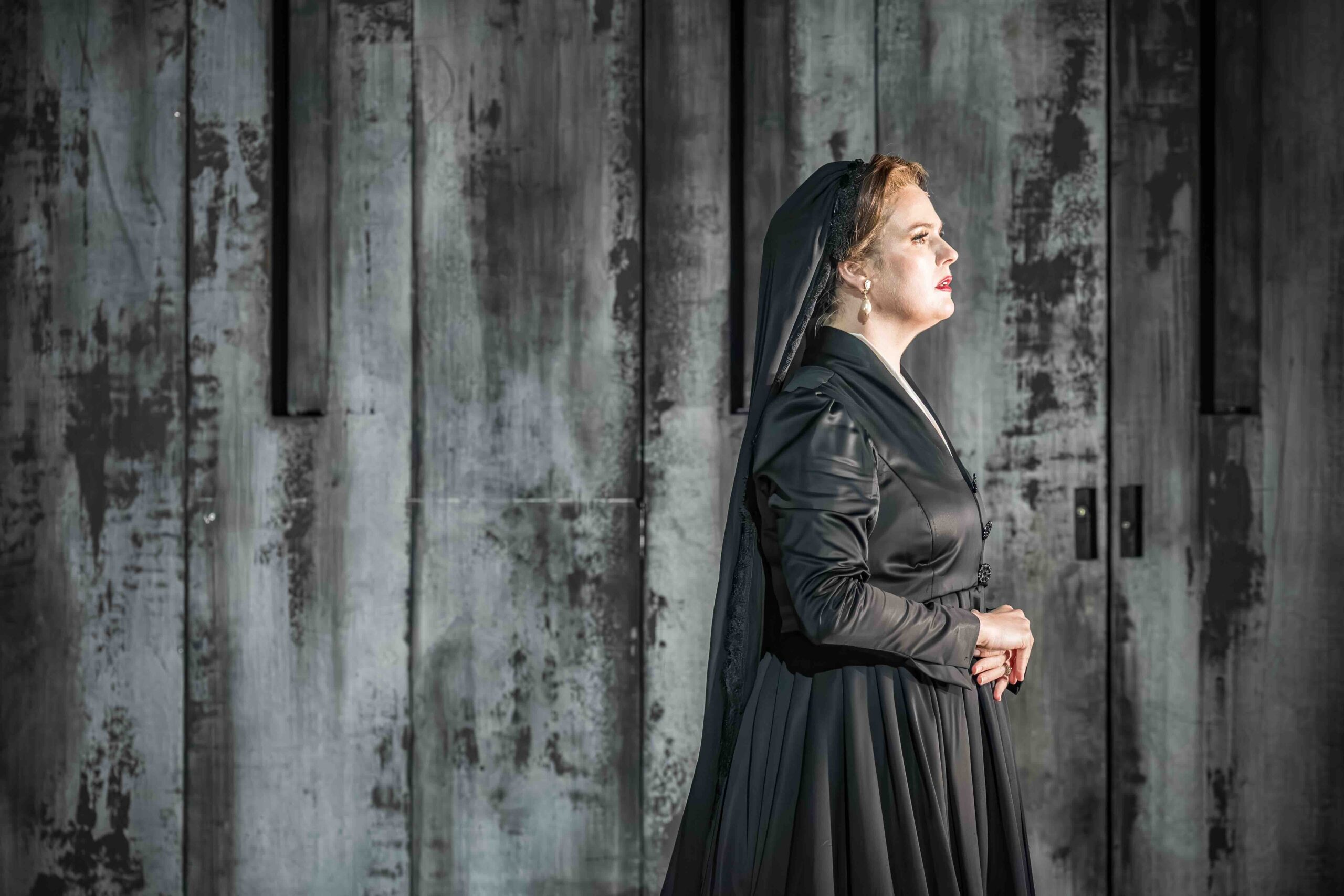
Leslie Travers’ set is deceptively simple but highly effective. Dark wooden interiors, hidden doorways and enclosing walls create a claustrophobic world where nobody appears able to escape their fate. Anna Watson’s atmospheric lighting makes excellent use of shadows and darkness, often isolating characters in pools of light as their personal worlds begin to collapse around them. Combined with Davies’ tight dramatic direction, the production creates genuine tension without relying on elaborate scenery or huge casts.
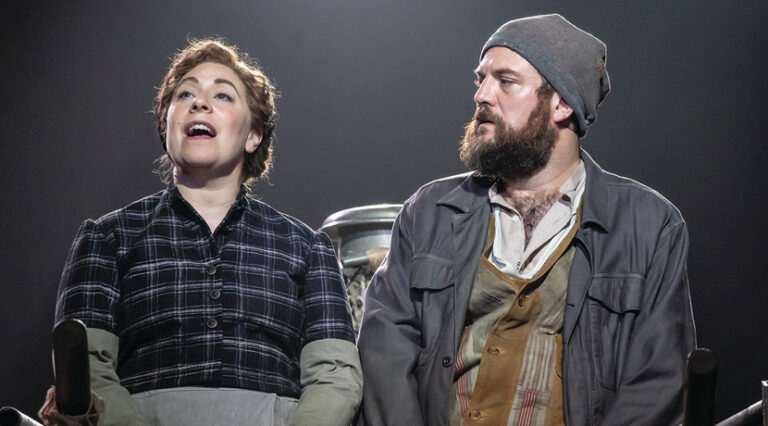
As Elisabetta, Welsh soprano Elin Pritchard, she delivered a performance of remarkable poise and vocal beauty. From her first appearance she brought dignity and emotional depth to the role, but it was in the final act that she truly came into her own. Her account of Tu che le vanità was superbly judged, combining gleaming tone with beautifully controlled phrasing and genuine emotional insight. Every phrase seemed to grow naturally from the text, creating one of those rare moments when singer, music and character become completely inseparable.
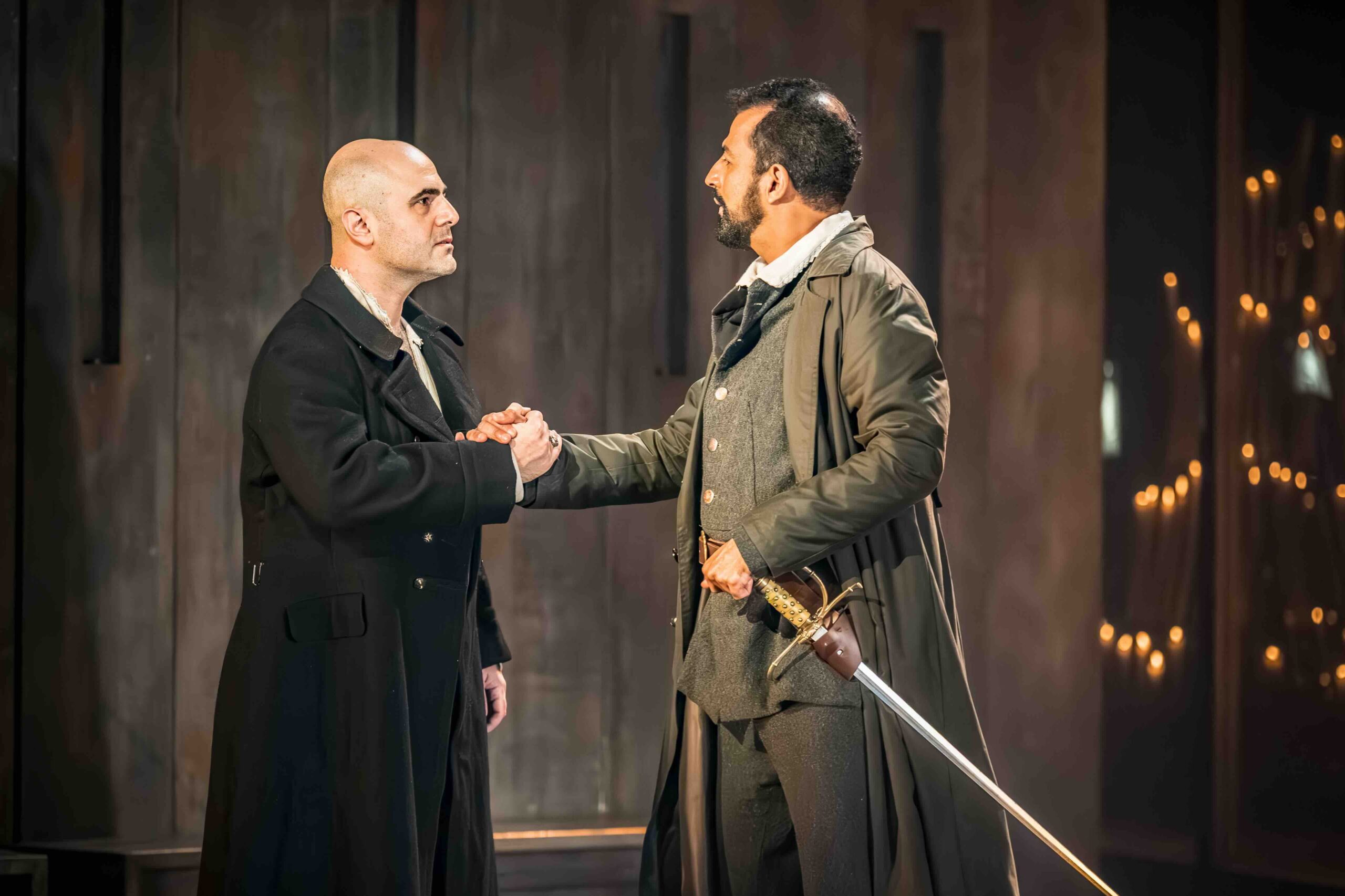
Otar Jorjikia and Michel de Souza
It was also a reminder of something that often frustrates Welsh opera lovers. Yet again, one of Wales’ finest singers is producing work of the highest calibre across the border. Pritchard has long deserved wider recognition, and performances of this quality confirm that she belongs among the leading Verdi sopranos currently working in Britain. One cannot help wondering why audiences in Wales so frequently have to travel to England to hear some of their finest home-grown talent in major roles.
She was not the only vocal highlight.
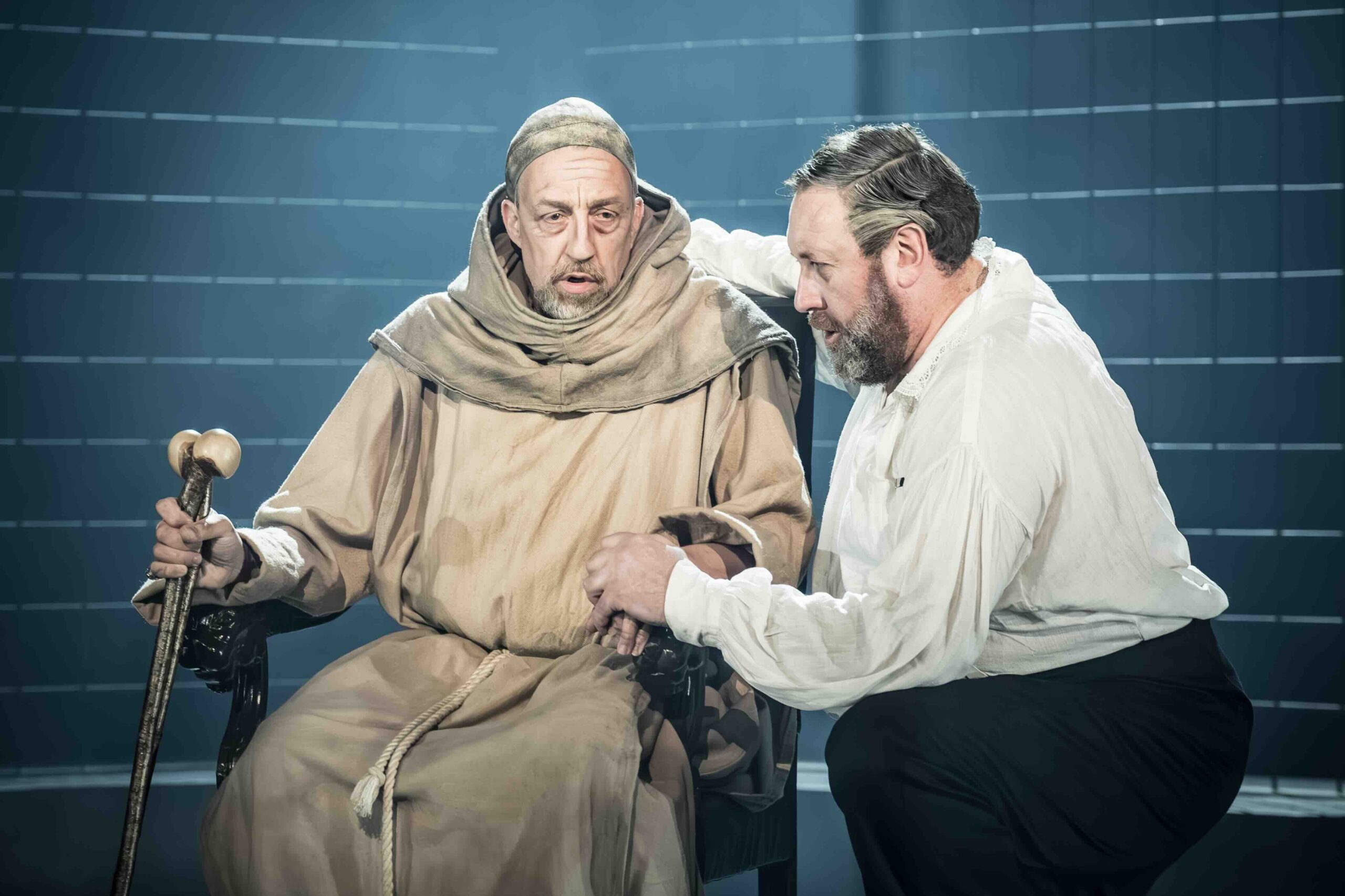
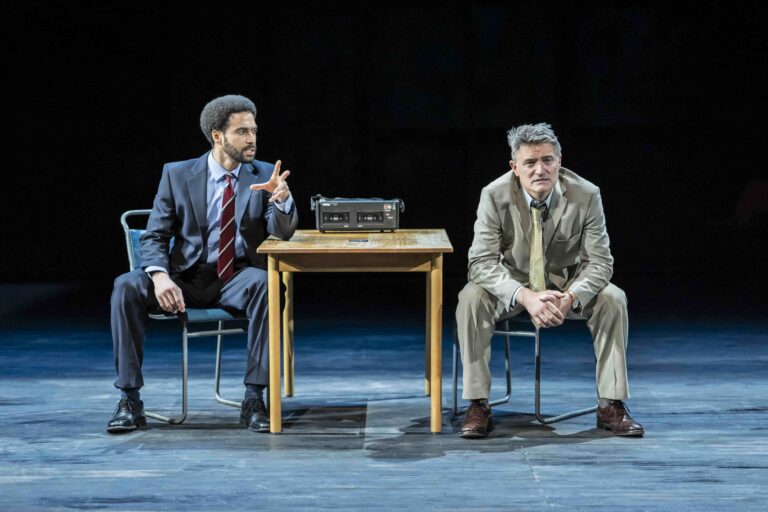
Julian Close and Matthew Rose
Ruxandra Donose brought tremendous dramatic force to Eboli. Her rich mezzo-soprano carried real authority throughout the evening, while her great Act Four aria O don fatale was delivered with thrilling intensity. The voice retained both power and flexibility, allowing her to capture the character’s mixture of pride, regret and self-destruction.
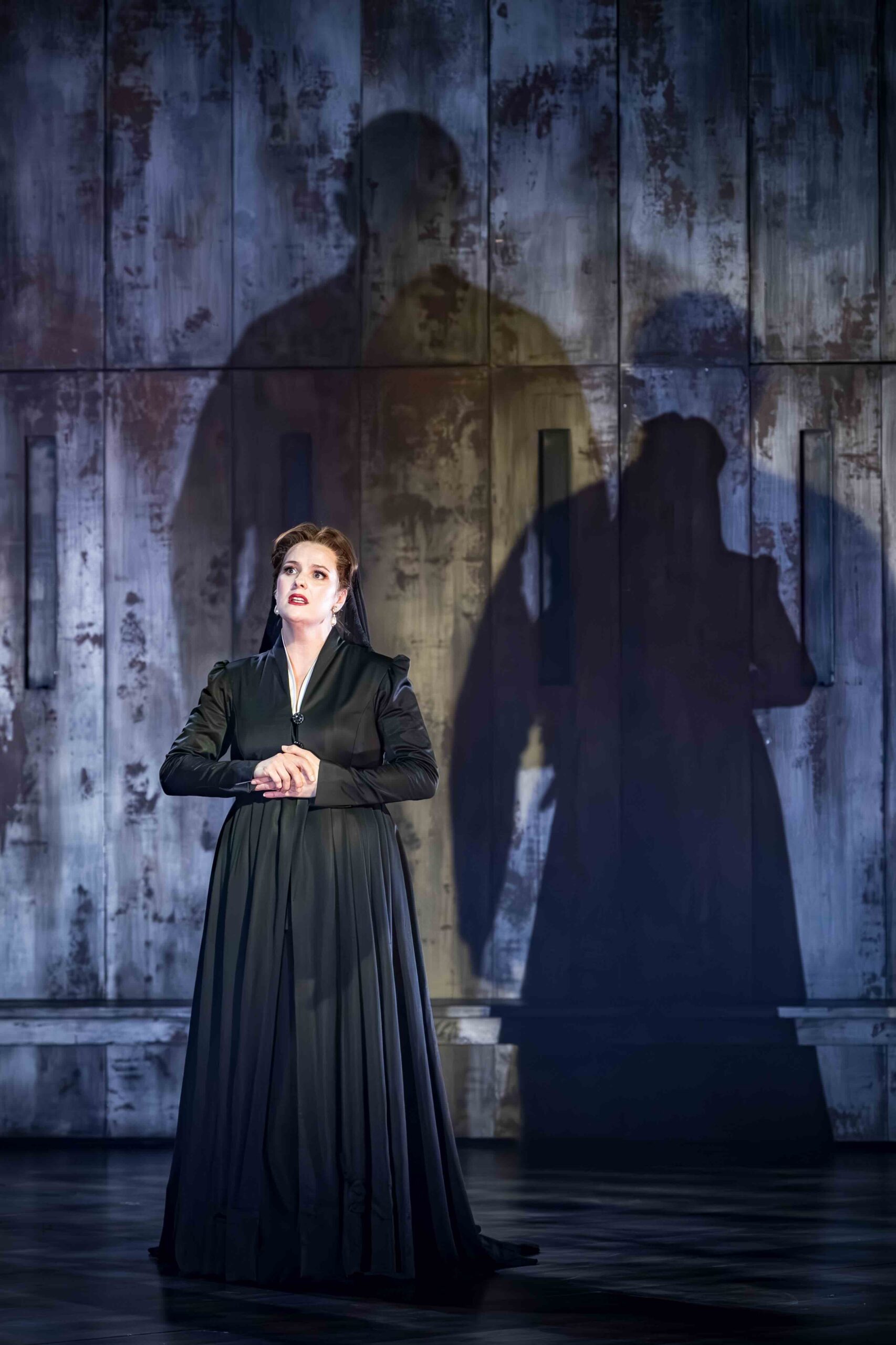
Elin Pritchard
Michel de Souza was equally impressive as Rodrigo. Verdi gives the Marquis of Posa some of the opera’s noblest music and de Souza sang it with warmth, conviction and effortless authority. His friendship with Carlo felt entirely believable, and the famous duet Dio, che nell’alma infondere emerged as one of the evening’s finest musical moments.
Matthew Rose brought his customary class to King Philip II. Few singers convey authority as naturally as Rose, yet he also revealed the loneliness and vulnerability beneath the monarch’s public power. His account of Ella giammai m’amò was deeply moving, portraying a ruler who can command an empire but cannot command love.
Otar Jorjikia’s Carlo occasionally lacked the vocal variety that makes the troubled Infante fully sympathetic, but he sang with commitment and considerable power when required. His strongest moments came in the opera’s larger ensembles and in his scenes with Rodrigo.
The supporting cast contributed strongly throughout. Julian Close’s Grand Inquisitor was genuinely chilling, his dark bass creating an imposing presence whenever he appeared. Harrison Chéné Gration also made a strong impression as the Monk.
In the pit, Gianluca Marcianò led the Orchestra of English National Opera with energy and sensitivity. While the reduced orchestral forces inevitably alter some of Verdi’s grandest effects, Marcianò maintained dramatic momentum throughout and drew plenty of colour from the score. The darker orchestral textures that run through Don Carlo remained very much present, helping sustain the opera’s atmosphere of looming tragedy.
My one significant reservation concerns the ending. Verdi’s conclusion has always possessed an intriguing ambiguity, allowing audiences to decide for themselves precisely what happens to Carlo. This production adds an explicit act of violence that felt entirely unnecessary. Rather than deepening the drama, it seemed gratuitous and distracted from the emotional impact that Verdi had spent four hours carefully building.
That disappointment aside, this was a highly rewarding performance of one of Verdi’s greatest operas. The production’s visual simplicity worked in its favour, the direction remained sharply focused, and the musical standards were consistently high. Most importantly, it was a night blessed with genuinely memorable singing.
Elin Pritchard’s magnificent Elisabetta confirmed once again that Wales continues to produce singers capable of gracing the world’s finest opera stages.
Main image: Elin Pritchard
grangeparkopera.co.uk
Images by Marc Brenner